
The Womanhouse
A little look into the Womanhouse and some of the art works produced there.

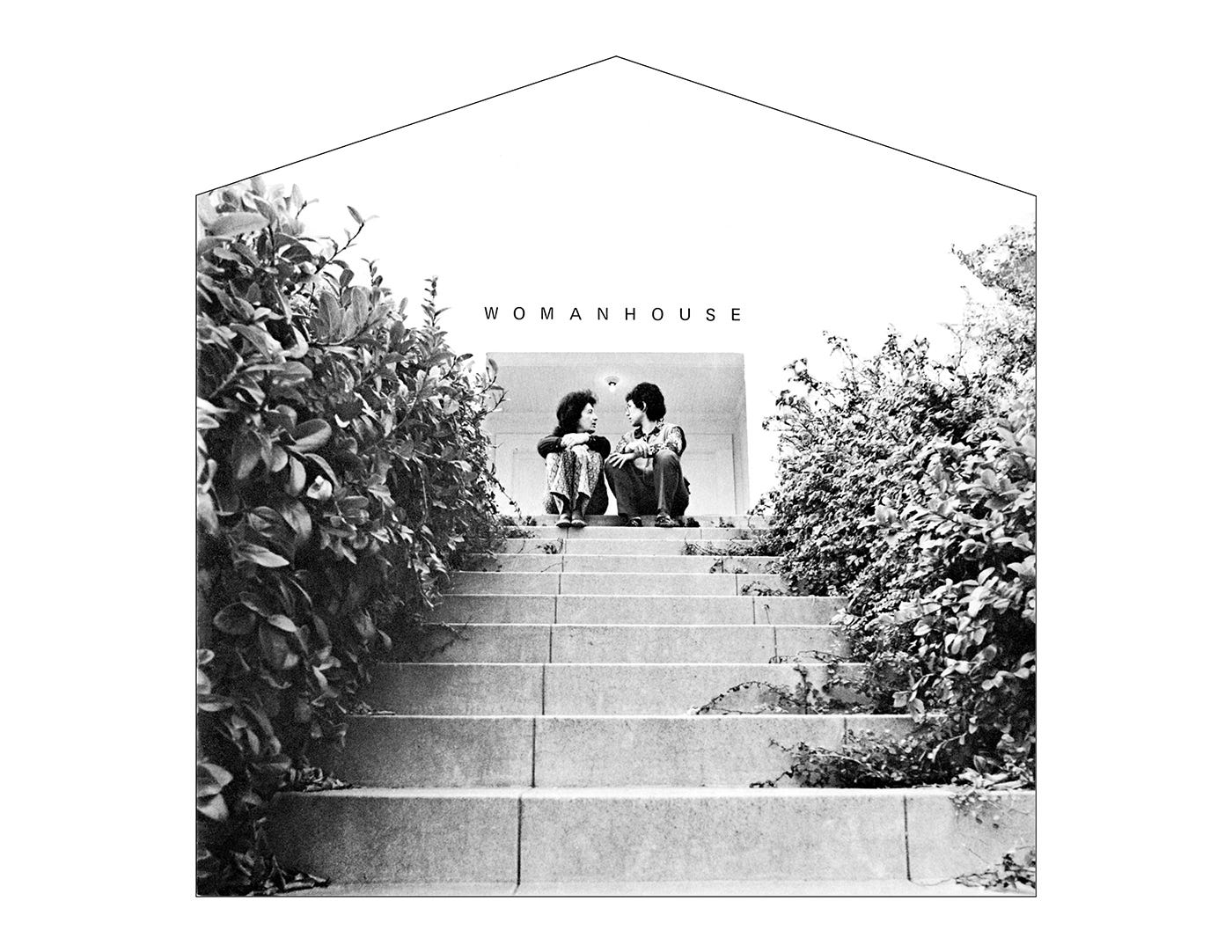
Above is the catalog cover for the Womanhouse that contains the installation and performance produced there. This was a part of the Cal Arts feminist art program. The installation and performances happened in a house that was slated for demolition. The building was dilapidated, with 17 rooms that the arts program acquired. The students worked collaboratively to redo the rooms of the house. The pieces reflected the part of the female domestic experience in the United States. Womenhouse was a venue for collaboration, consciousness-raising, and performance art made from the experience of being a woman. The house is where domestic femininity became a place of political analysis. Judy Chicago and Miriam Shapiro are feminist art program directors. They decided to set up an experimental program in Fresno, California. They pulled women out of mixed-gender classes. They educated women in a women-only program that met off-campus. This is because they were deferential to men in the program, and they weren't learning how to use more extensive construction-type tools. They experimented with educating women in a competitive environment alongside men. After a couple of years, they moved the program to be associated with Cal Arts in Valencia. So now I will be talking about some of the performances that occurred in Womanhouse.
Scrubbing and Ironing
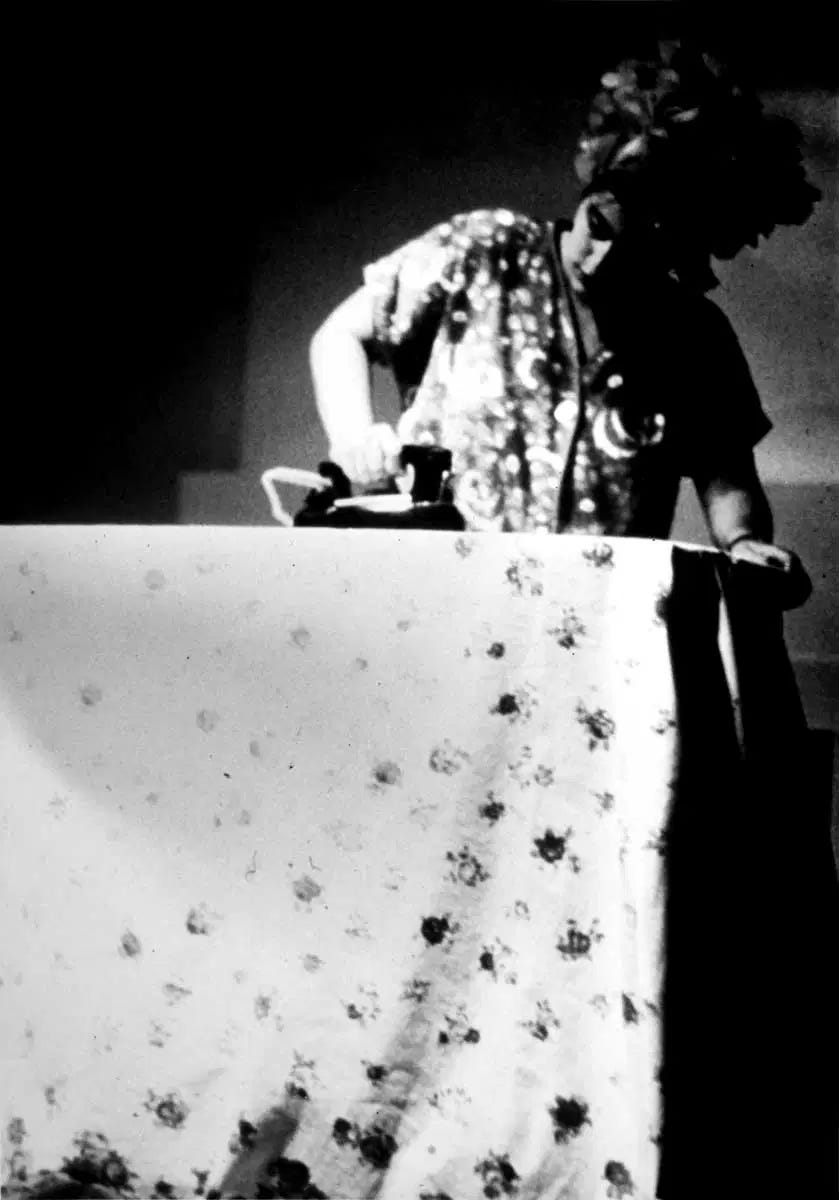
Chris Rush performed this piece, Scrubbing, over and over again. It is a part of the Maintenance series. She scrubbed floors. This was a thoughtless task that suggests a repetitive nature. It also suggests the servile task of women work at the time. Womanhouse and many second-wave feminist art were about white middle-class women’s experiences of being a woman. Sandra Orgel is the person who created and performed this work of art. She ironed a sheet over and over again. Many housewives ironed their cotton sheets during the ’50s and ’60s.
Waiting
This art was by Faith Wilding and a poem that went along with this performance. She would sit in a chair in the living room and recite the poem. The poem had to do with the passive experience of women. She talked about what women had to wait for in a stereotypical way. For example: waiting for her period to come, waiting for her breasts to grow, waiting for a boy to ask her out, and many more. It creates the domestic world in which she feels as if she is in a prison where she's trapped. Wherein she has to wait for other people to engage her actively.
Thank you so much for reading part 2 of the Feminism series. I hope you enjoy the rest of your week. Next week we will be looking at Ana Mandieta.
Yo! What’s Up… is supported by all of you readers so thank you so much for reading! Please like and share. And if you want to support my writing and research you can donate $5 through Venmo @monee-broadnax. Thank you for reading! Until next time!
Works Cited
Graf, Stefanie. "Womanhouse: An Iconic Feminist Installation by Miriam Schapiro and Judy Chicago" TheCollector.com, December 5, 2022, https://www.thecollector.com/womanhouse-by-judy-chicago-and-schapiro/.